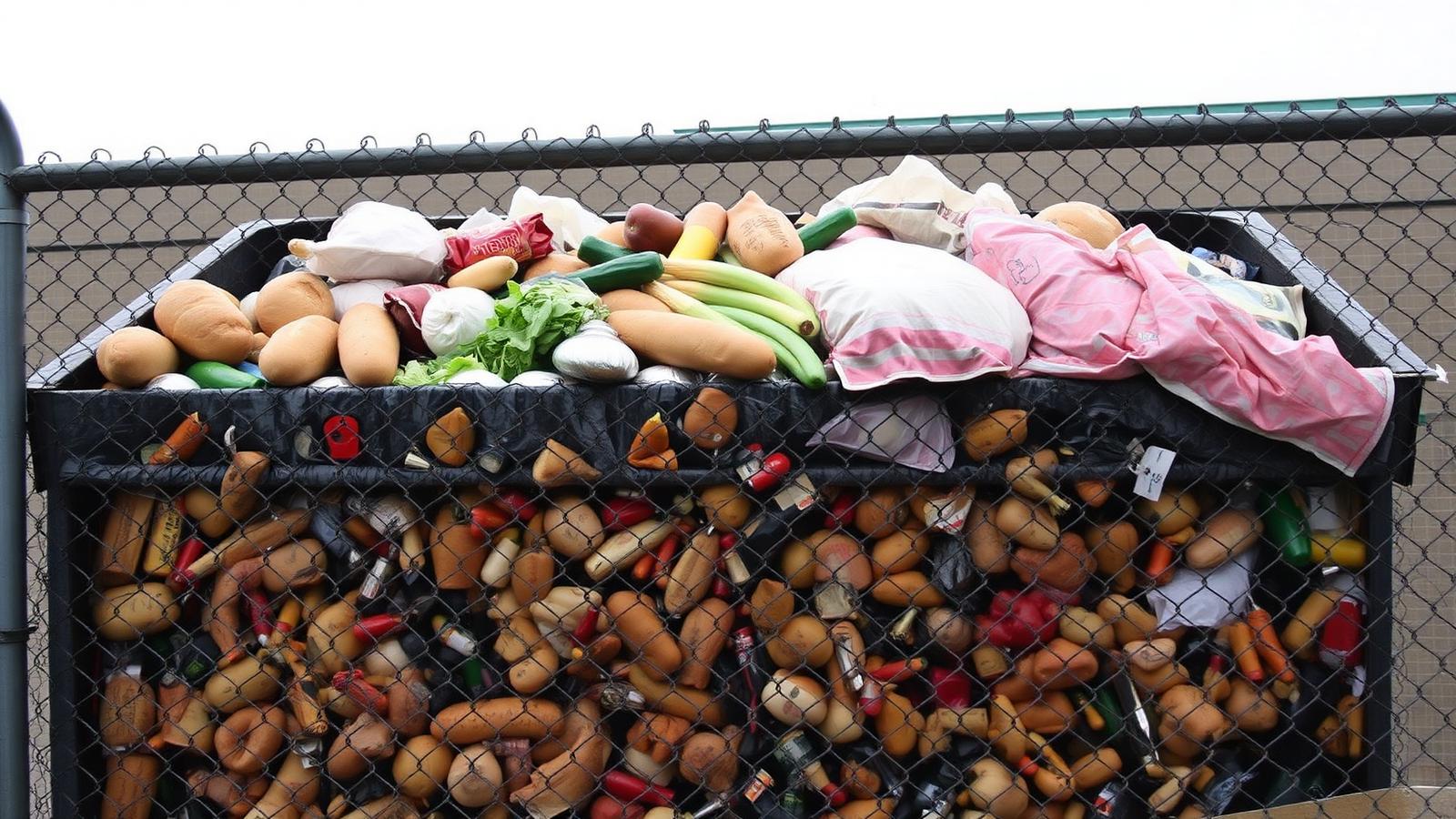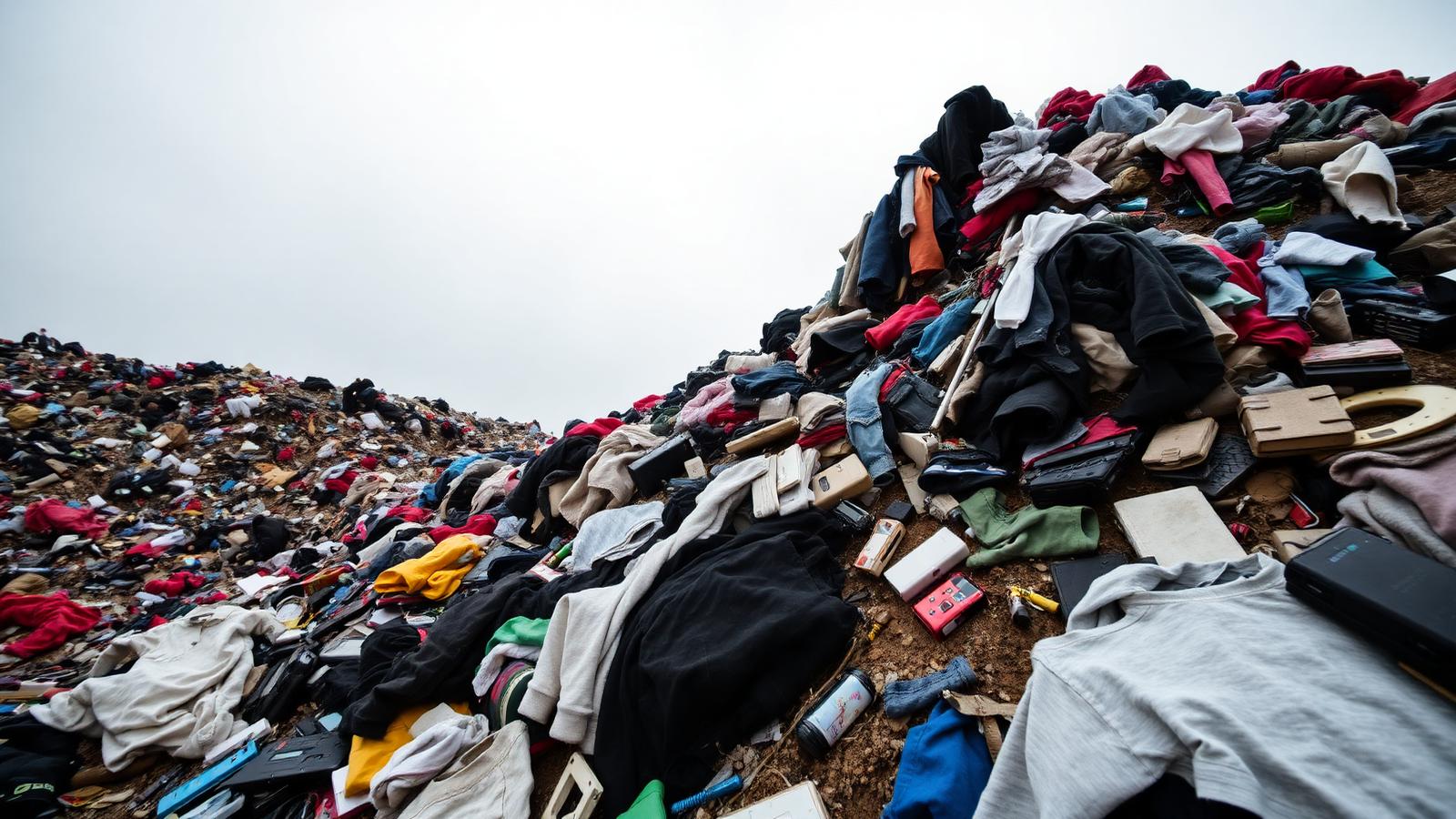

Food is not the only thing we throw away.
The modern economy is built on a deeper assumption: that products should not last too long. If they did, people would buy fewer of them. Sales would fall, growth would slow, and shareholders would complain.
So a quiet logic has spread through almost every industry: design things to be replaced. This is not always a conspiracy. Sometimes it is simply how engineering, marketing, and finance interact. But the outcome is consistent: products that could be durable, repairable, and long-lasting are deliberately made fragile, sealed, incompatible, unfashionable, or unsupported.
The Mechanisms of Built-In Replacement
Everyday products consistently reflect this design philosophy:
Smartphones with batteries that cannot be replaced. Laptops with glued components. Printers that stop working after a fixed number of pages. Software updates that slow down older devices. Clothes that fall apart after a few washes. Furniture that cannot be repaired because the screws are non-standard. * Appliances that are cheaper to replace than to fix.
This is the throwaway industry. It does not advertise itself, but its effects are everywhere.
Planned obsolescence is the most visible part of it. A product is designed with a limited useful life. When that life ends through battery failure, software lockout, mechanical wear, or fashion cycles, the consumer is pushed back into the market.
Perceived obsolescence is more subtle. The product still works, but it no longer feels right. The phone is two generations old. The jacket is from last season. The car looks dated, or the kitchen feels like it needs renovating. Nothing is broken, but the social and emotional pressure to replace is enormous.
Repair hostility is the third layer. Many products are built so that repair is difficult, expensive, or impossible. Spare parts are not sold, repair manuals are restricted, and warranties are voided if a third party opens the device. Repair shops are squeezed out by manufacturer monopolies. In many cases, throwing the product away is cheaper, faster, and easier than fixing it.
The Global Scale and Hidden Costs
The throwaway industry has been astonishingly successful. The global volume of electronic waste reached around 62 million tonnes in 2022, with only 22 percent formally collected and recycled, according to the UN's Global E-waste Monitor. The fashion industry produces over 100 billion garments per year, and a large share is discarded within a single year of purchase. Furniture, household appliances, toys, packaging, almost everything is now part of a system that prefers replacement to repair.
This system carries significant hidden costs:
Environmental cost: Producing new things requires raw materials, water, energy, transport, and labour. Mining lithium, cobalt, and rare earth metals destroys ecosystems and exploits workers, including children. Textile production pollutes rivers and consumes enormous amounts of water. Plastic packaging chokes oceans, and every replacement multiplies these impacts. Social cost: Much of the production happens in countries with weak labour protections. Much of the waste is exported to countries with weak environmental enforcement. The throwaway industry runs on inequality at both ends: cheap labour to make things, and cheap landfills to bury them. Psychological cost: Living in a world where everything is disposable trains us to see everything as disposable. Including time, relationships, communities, and ourselves. A culture that cannot maintain its objects often struggles to maintain its commitments. Economic cost: Consumers pay again and again for the same kind of product. They lose savings and autonomy, becoming dependent on a system that needs them to keep buying.
The Economics of Recurring Transactions
Why does this system persist? Because it is profitable for those who designed it.
A long-lasting product is sold once, while a disposable product is sold ten times. A repairable product creates a customer, but a non-repairable product creates a recurring transaction. From a purely financial perspective, replacement is more attractive than durability.
However, this logic only works because the costs are externalised. The consumer pays the visible price. Someone else, usually the environment, the underpaid worker, or future generations, pays the invisible one. Transforming these practices requires a shift in how businesses operate, which is why sustainable corporate partnerships and standards like DO GOOD TRUE brands focus on long-term value over built-in obsolescence.
The Path Toward Legal and Policy Reform
The good news is that change is possible. The European Union's "Right to Repair" rules, expanding ecodesign requirements, digital product passports, and new global treaties on plastic and e-waste are all attempts to make durability legally and economically rational again. France even introduced a repairability index to inform consumers about how easily an electronic product can be repaired before they buy it.
These are small steps in a long fight, but they prove an important point.
The throwaway industry is not a law of nature. It is a policy choice. And policies can be changed. You can explore more analyses of consumer systems across our blog.
Key Takeaways
The throwaway industry relies on planned obsolescence, perceived obsolescence, and repair hostility to ensure continuous replacement cycles. Global electronic waste reached roughly 62 million tonnes in 2022, with only 22 percent formally collected and recycled. The fashion sector manufactures over 100 billion garments annually, with a substantial portion discarded within 12 months. The business model remains profitable by externalising social, environmental, and economic costs onto workers, ecosystems, and consumers. * Policy interventions such as Right to Repair legislation and repairability indexes demonstrate that market durability is achievable through regulation.
Chart · Product lifespan
How long things used to last vs now
- Refrigerator25 y11 y
- Washing machine20 y8 y
- Smartphone6 y2.5 y
- T-shirt5 y1.5 y
- Laptop8 y4 y
−58%
Avg lifespan since 1990
<25%
Devices designed to be repaired
50M t
E-waste generated per year
Continue the series