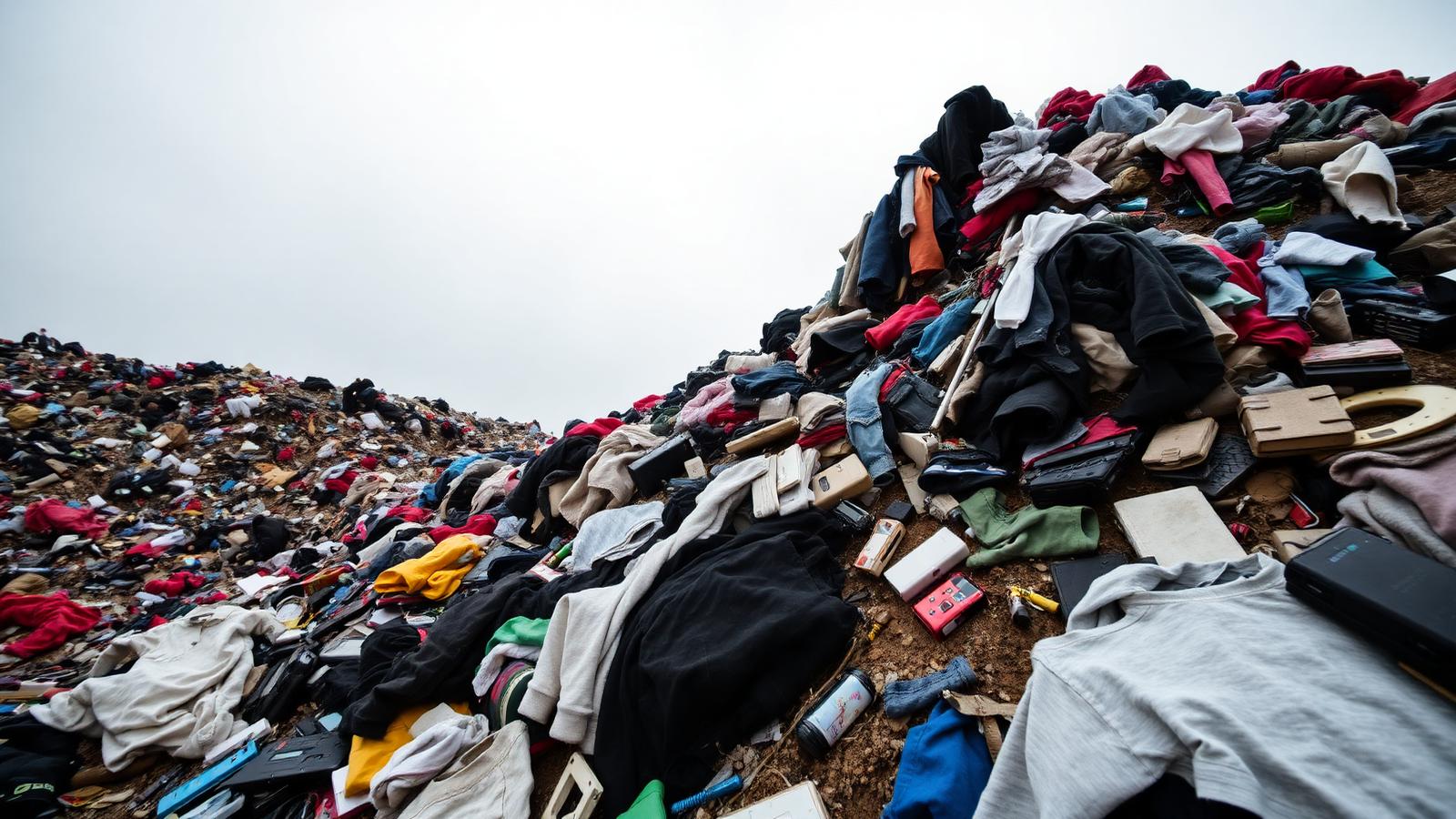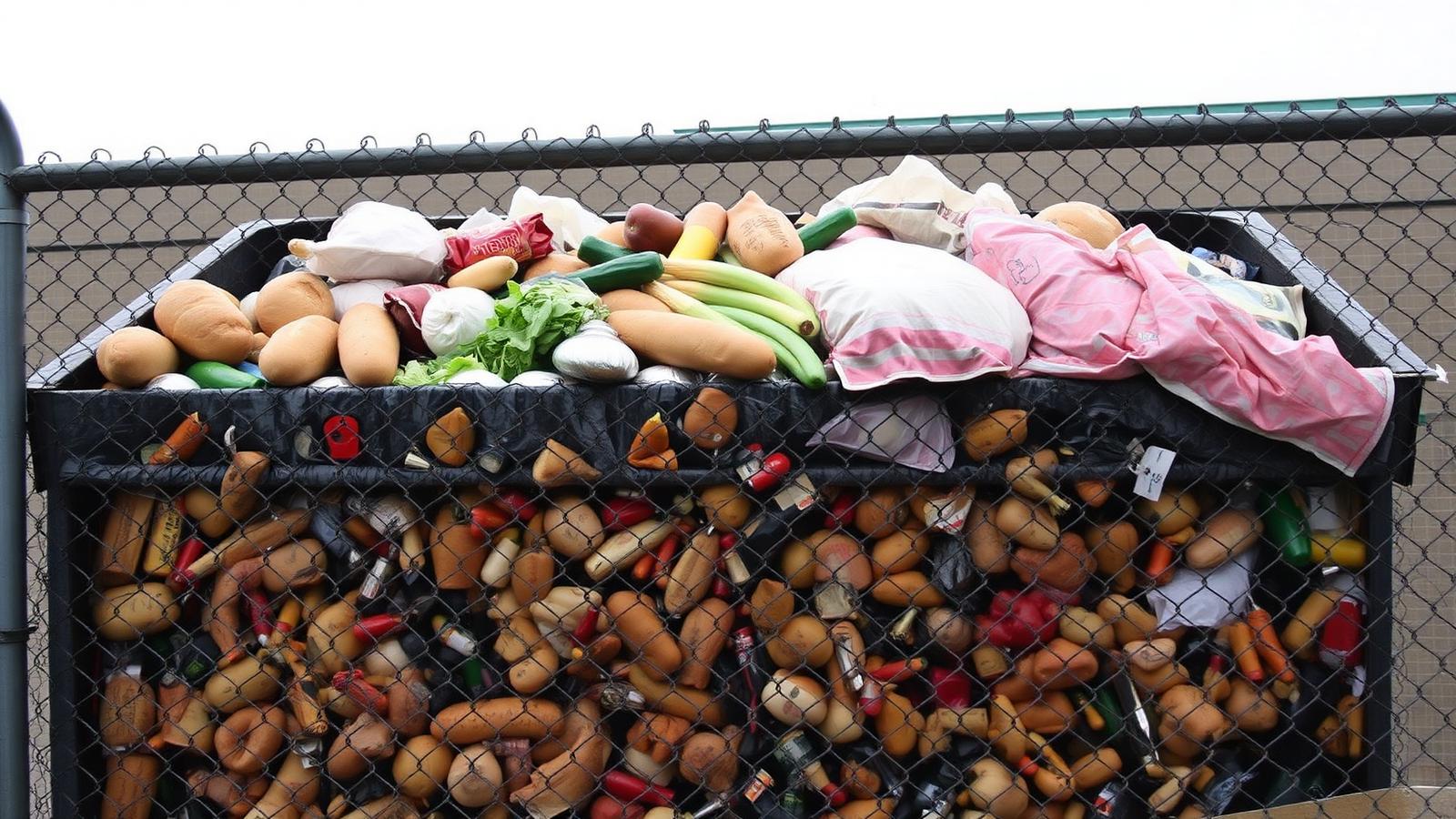

Food waste is one of the easiest problems to understand and one of the hardest to justify.
Food is grown, watered, harvested, transported, cooled, packaged, displayed, discounted, purchased, and then thrown away. This happens not because it lacks value or because nobody needs it, but often simply because the system is badly designed.
The Scope of Global Waste
In 2022, the world generated around 1.05 billion tonnes of food waste at retail, food service, and household levels. That represented nearly one fifth of all food available to consumers. Households accounted for about 60 percent of that waste, food service for 28 percent, and retail for 12 percent.
This is not just a domestic issue. It is not only about people forgetting vegetables in the fridge or cooking too much pasta. That happens, of course, but the deeper problem begins earlier in the supply chain. It stems from production targets, supermarket expectations, cosmetic standards, overstocking, portion sizes, buffet culture, confusing date labels, and a commercial system that treats abundance as proof of quality.
The Illusion of Abundance
A full shelf looks successful, while a half-empty shelf looks like failure. A buffet with excess food looks generous, whereas a buffet that runs out looks cheap. A fruit display with imperfect apples looks careless, but a display with perfect apples looks professional.
Waste is often the price paid for the appearance of control.
The supermarket does not want to look empty, and the hotel does not want a guest to feel deprived. The restaurant does not want to disappoint, and the brand does not want scarcity unless scarcity can be monetised. As a result, the commercial system produces, displays, and serves far more than it needs. Then, it places the blame for waste squarely on the consumer.
Shared Guilt and Shifted Responsibility
That blame is not entirely false, as households do waste enormous amounts of food. However, household waste is not created in a vacuum. People are consistently encouraged to buy more than they need through oversized packaging, confusing "best before" and "use by" labels, and promotional tactics like "buy one, get one free." These promotions are rarely about generosity and almost always about clearing stock.
The result is an environment where everyone shares the guilt, but very few commercial actors accept responsibility. Addressing these structural supply issues requires new approaches to corporate partnerships and supply chain accountability.
The moral failure extends beyond economics. While more than 730 million people went hungry in 2023, food was thrown away by the truckload in countries with overflowing supermarkets. This disparity is not merely a technical inefficiency. It is a profound moral indictment.
Environmental Costs and Structural Incentives
Food waste is also an environmental disaster. It expends water, land, fuel, fertiliser, and human labour for no return. When discarded food rots in landfills, it produces methane, a greenhouse gas significantly more potent than carbon dioxide. The Food and Agriculture Organization estimates that food loss and waste cause roughly 8 to 10 percent of global greenhouse gas emissions. If global food waste were a country, it would rank among the largest emitters in the world.
This destructive cycle continues because it is profitable, predictable, and culturally normalised. Waste never appears as a line item on the consumer's receipt. The actual costs are externalised to the climate, to landfills, to poorer nations receiving trash, and to future generations. The decision-makers who overstock shelves rarely face the people who cannot afford to eat.
To reduce food waste meaningfully, society must change its economic incentives. We need to standardise date labels, tax excessive waste, and demand greater transparency across retail operations. Supermarkets should be required to redistribute edible surplus food before discarding it. We must also challenge arbitrary cosmetic standards and treat food as the vital product of labour, land, and life.
Until these reforms take place, food waste remains a daily, normalised, profitable, and polite moral failure.
The Scale of Food Waste in Hospitality
of all food produced globally is wasted
lost to food waste worldwide every year
of global greenhouse gas emissions come from food waste