
The Architecture of Everyday Marketing
Persuasion is not a single trick. It is a layered architecture. Once you learn to see it, you cannot unsee it.
| What you see | What is actually happening |
|---|---|
| "All natural" on the label | An unregulated phrase with no legal definition in most countries |
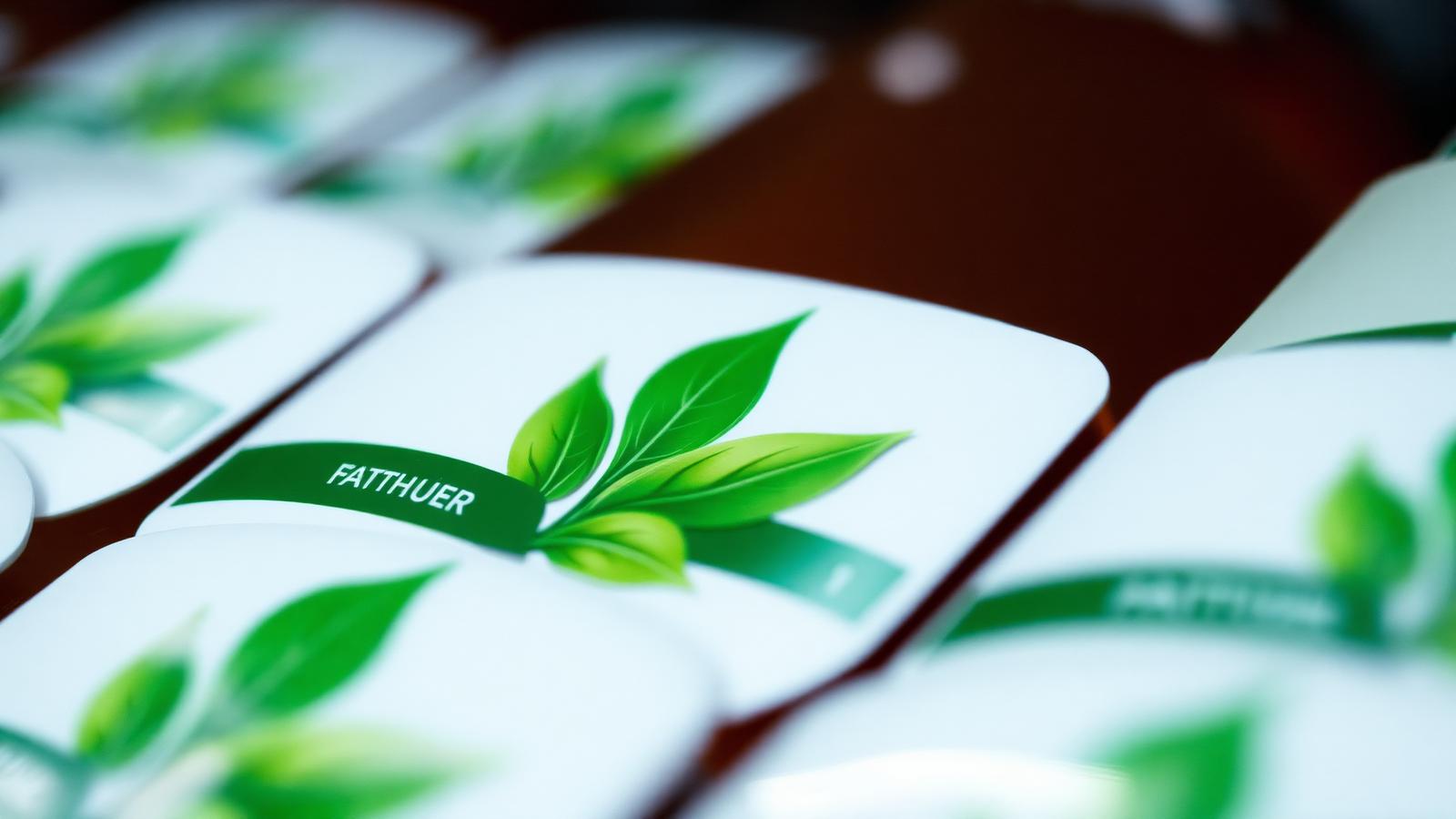
| A green leaf icon | Visual association, not a certification |
| "Up to 50% off" | The word up to legally protects almost any markdown, even 5% |
| "Limited edition" | Manufactured scarcity to compress your decision time |
| "9 out of 10 customers recommend" | Often a small internal survey, not independent research |
| A celebrity using the product | A paid contract, not a personal preference |
| "Carbon neutral" | Frequently means offsets purchased, not emissions reduced |
| Recyclable symbol | Means the material could be recycled, not that it will be |
Standard Practice in Plain Sight
None of this is necessarily illegal. Much of it is standard practice. That is what makes it powerful.
The system is not hiding in the shadows. It is operating in plain sight, every day, in every aisle, highlighting the ongoing need for corporate transparency.
Diagram · The layered architecture
Persuasion is a stack, not a trick
- 1
Sensory cues
colour, packaging, scent, sound
- 2
Language tricks
vague claims, soft superlatives
- 3
Visual proof
icons, badges, lookalike seals
- 4
Social proof
reviews, influencers, charts
- 5
Architectural choices
shelf, search rank, default