
After exploring the pressures and deceptions in modern markets, it would be easy to conclude that consumers have no real power. Many people assume the system is too big, too manipulative, and too dishonest for individual choices to matter. Sincere observers often reach this conclusion, and it is an understandable response.
However, giving up is not the most useful path. Consumers do have power, but it does not work in the simplified way marketing campaigns claim.
The Flaw in Voting With Your Wallet
The popular slogan claims that every purchase is a vote. While this contains a kernel of truth, it remains deeply misleading.
Political votes are public, simultaneous, equal, and counted. Purchases, by contrast, are private, scattered, unequal, and statistically dominated by a small percentage of high spenders. Most purchases occur under pressure, with limited information, inside markets dominated by a few large corporations. Many essential products lack meaningful alternatives, and the very concept of choice is often engineered by entities profiting from specific outcomes.
Taking the idea of voting with your wallet literally pushes moral responsibility entirely onto individual shoppers while leaving structural problems untouched. Still, consumer power is not fake. It simply operates differently from conventional marketing descriptions.
Four Ways Consumer Power Is Real
Consumer influence functions effectively in at least four distinct ways:
Direction of demand. When enough consumers change their purchasing habits, markets shift. The rise of plant-based products, electric cars, refurbished electronics, organic food, fair-trade goods, and second-hand fashion shows consumer demand pulling industry into new directions. While greenwashing affects some of these sectors, the underlying shift in demand patterns remains real. Reputational pressure. Companies are sensitive to public perception. A single widely shared story about worker abuse, child exploitation, environmental pollution, or misleading claims can damage a brand faster than marketing can repair it. Consumers who share information, demand transparency, and publicly challenge brands help maintain an environment where companies feel watched. Watched companies behave differently. Collective action. Boycotts, petitions, lawsuits, shareholder resolutions, consumer associations, investigative reporting, and policy advocacy multiply individual concern into structural leverage. History shows that coordinated consumer action can shift entire industries, from anti-apartheid boycotts to restrictions on tobacco advertising. Cultural normalisation. Individual choices help shape what society considers normal. Decades ago, refusing single-use plastic or questioning supply chains seemed eccentric or niche. Today, both practices are increasingly mainstream. Consumers do not just buy goods; they help define what behaviour is considered respectable and expected.
From Individual Choices to Collective Action
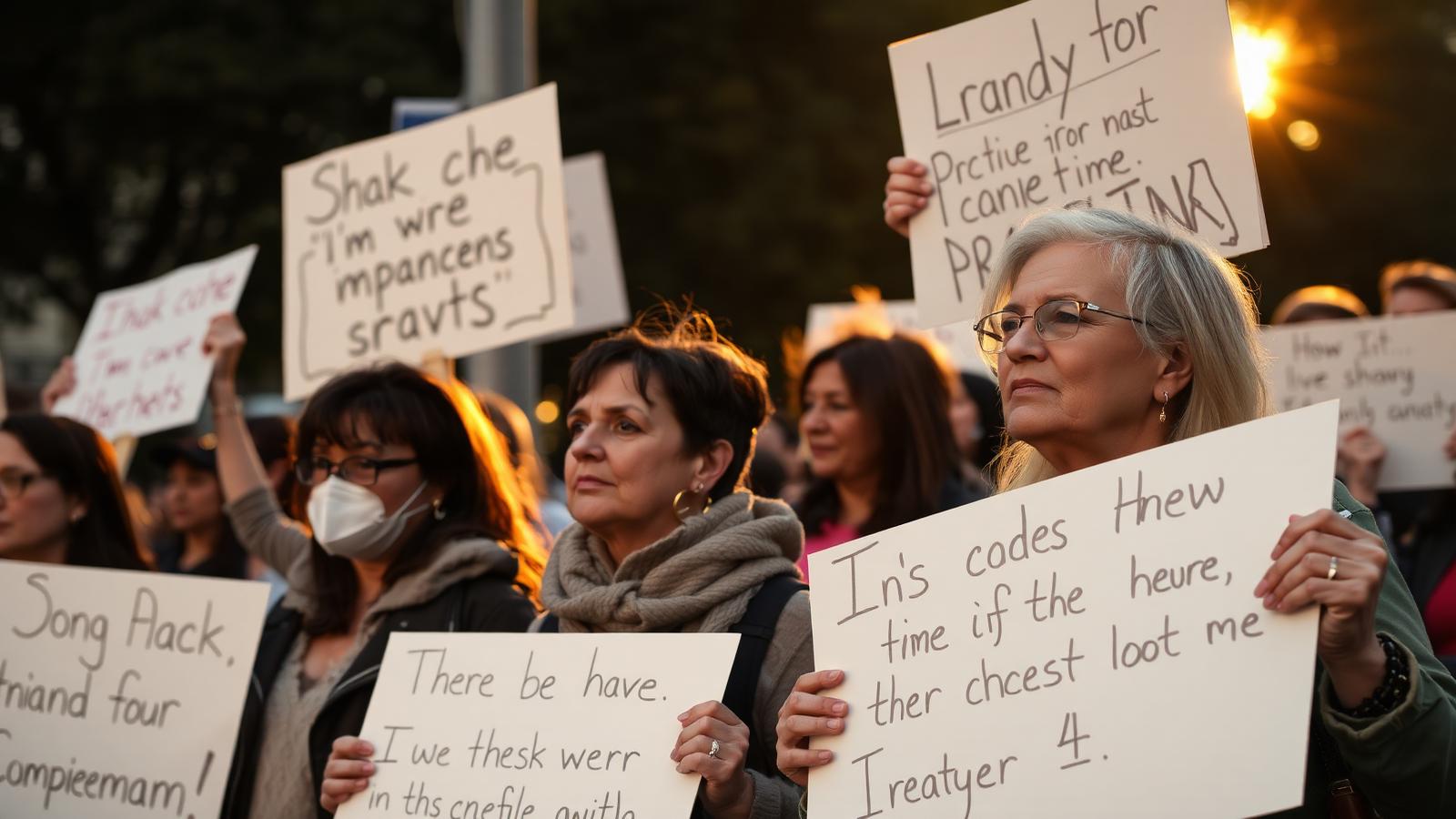
None of these four dynamics works fully when confined to the individual level. A single consumer refusing fast fashion achieves very little on their own. However, an individual who organizes others, shares information, supports ethical TRUE brands, and lobbies policymakers contributes directly to systemic progress.
This dynamic highlights the core reality of consumer power. It remains weak when used in isolation, but becomes formidable when connected to a broader movement.
The debate over ethical consumption cannot end with asking what to buy. It must expand into asking what actions to take and how to join the movement pushing for systemic accountability. Consumers are not the sole architects of the economy, but they are participants, witnesses, voters, and advocates. They achieve the greatest impact when they embrace all of these roles together.
Key Takeaways
Equating purchases with votes misrepresents how markets work and shifts systemic responsibility onto individuals. Consumer power operates through shifting aggregate demand, reputational pressure, collective organizing, and cultural normalization. Individual purchasing choices have limited reach unless they are connected to broader collective efforts and public advocacy. Ethical consumption requires moving beyond shopping decisions to actively demanding accountability and systemic change.
Framework 03 · From private choice to public power
From consumer to citizen
Consumer power becomes stronger the moment it stops being only personal. Each step below adds a layer of influence that the previous one does not have on its own.
- 01
Buyer
Private purchase. Power ends at the receipt.
- 02
Reviewer
Public feedback. Brands begin to listen.
- 03
Critic
Specific, documented criticism becomes pressure.
- 04
Community member
Shared standards make alternatives visible.
- 05
Voter
Rules change what counts as profitable.
- 06
Organisational actor
Inside companies, institutions, movements.
- 01
Buyer
Private purchase. Power ends at the receipt.
- 02
Reviewer
Public feedback. Brands begin to listen.
- 03
Critic
Specific, documented criticism becomes pressure.
- 04
Community member
Shared standards make alternatives visible.
- 05
Voter
Rules change what counts as profitable.
- 06
Organisational actor
Inside companies, institutions, movements.
Why this matters - Markets respond to coordinated behaviour faster than to private virtue. Each rung multiplies the previous one, and the higher you go, the harder it is to ignore.
Continue the series