Modern capitalism depends heavily on one beautiful idea: the free consumer.
The story is simple. Companies offer products. Consumers choose. The best products win. Bad products disappear. Prices reflect value. Markets reward quality. Everyone is free.
It is a clean story. It is also often false.
The Information Gap
A real choice requires real information and transparency. To choose responsibly, a consumer would need to know where a product comes from, who made it, how workers were treated, what materials were used, how much pollution was created, how long the product will last, whether it can be repaired and what happens to it after disposal.
Most of this is invisible.
The consumer sees a price, a logo, a claim, a colour, a discount, or a familiar brand name. The company sees the full picture: sourcing costs, profit margins, weaknesses, marketing strategy, consumer data, return rates, shelf placement, behavioural triggers and legal risk.
This is not an equal relationship.
The company has teams, data and time. The consumer has seconds.
Those seconds often happen under pressure. People shop after work, while tired, hungry, distracted, worried about money or influenced by habit. Nobody can perform a full ethical audit before buying a bottle of shampoo, a shirt, a phone charger or a frozen pizza.
How Demand Is Manufactured
Yet the system still places much of the moral burden on the individual.
If fast fashion dominates, we are told consumers want cheap clothes. If supermarkets waste food, we are told consumers expect full shelves. If companies sell low-quality products, we are told consumers chose the cheaper option. If greenwashing works, we are told people should have looked more closely.
There is some truth in that. Consumers are not passive. But it ignores an important fact: companies do not simply respond to demand. They manufacture it.
They shape what people notice. They shape what people trust. They shape what people compare. They shape what people desire.
A product placed at eye level is not there by accident. A "limited time offer" is not neutral information. A green label is not only decoration. A subscription that is easy to start and hard to cancel is not just poor design. These are systems built to influence behaviour.
Engineering the Decision Environment
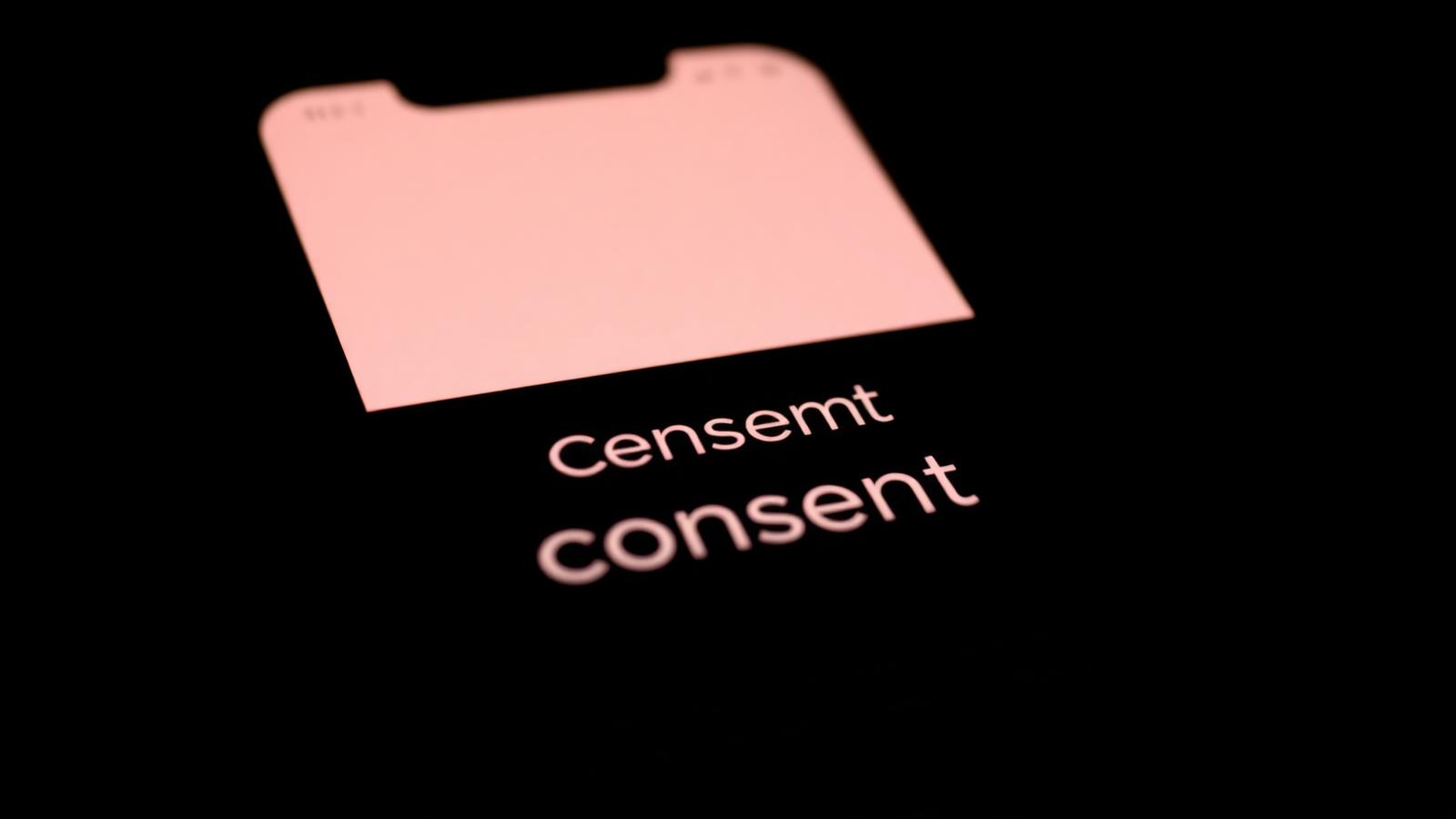
The same logic applies online. Many digital platforms use design patterns that push people toward decisions they might not otherwise make: pre-selected options, confusing cancellation flows, hidden fees, fake urgency, endless scrolling, misleading buttons or consent banners designed to make refusal harder than acceptance.
This is where the myth of free choice becomes dangerous.
The choice is not removed. It is engineered.
That makes responsibility harder to locate. The consumer still clicks, buys, accepts, subscribes and throws away. But the environment around that decision has been constructed by someone else. Whoever designs the decision environment carries responsibility too.
The phrase "the consumer decided" is therefore not enough. A better question is: Under what conditions did the consumer decide?
Infographic · Information asymmetry
What you see vs what the brand sees
You see
~6 signals- Price
- Logo
- Claim
- Colour
- Discount
- Brand name
The brand sees
8+ datasets- Sourcing costs
- Profit margins
- Marketing strategy
- Consumer data
- Return rates
- Behavioural triggers
- Legal risk
- Shelf placement
Continue the series